

Από τους θεούς και τους βασιλιάδες στο επαληθευμένο πρότυπο AKAMAS.
Το χρονολόγιο AKAMAS ακολουθεί την Κύπρο από τις πρώιμες διαχειριζόμενες αγέλες, τη βασιλική νομισματοκοπία, την αρχαία ιατρική, το βυζαντινό δίκαιο και τις σταυροφορικές διαδρομές εφοδιασμού έως τη σημερινή ψηφιακή γενεαλογία.
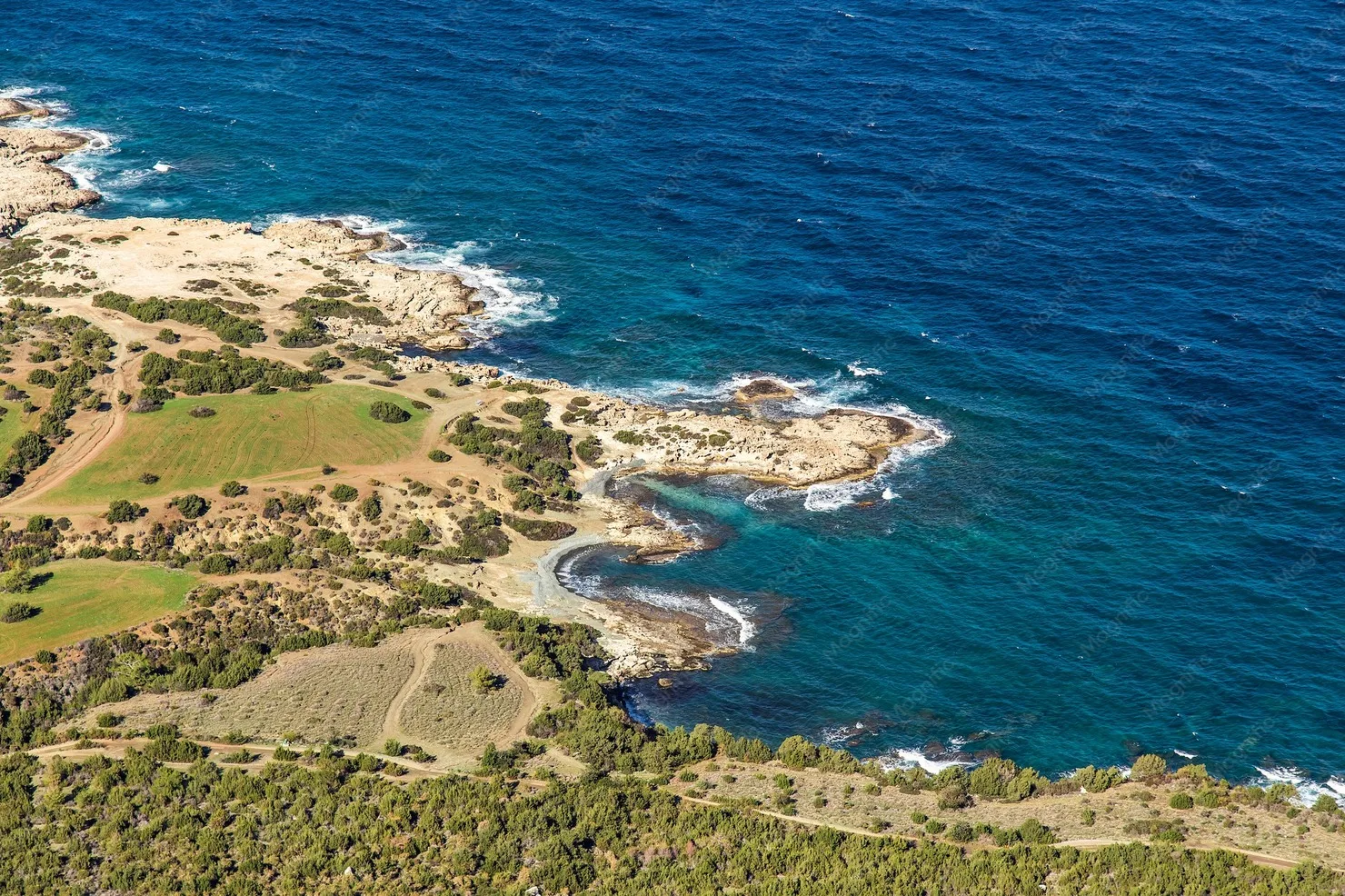
10.000 χρόνια ποιμενικής απόδειξης
Η Νεολιθική Βάση
Cyprus holds some of the world's oldest evidence of managed sheep and goat cycles at Shillourokambos, grounding AKAMAS in an unusually deep pastoral lineage.
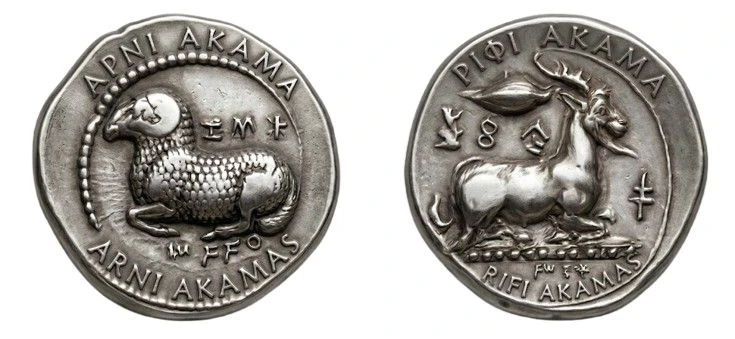
Η Νομισματοκοπία των Βασιλέων
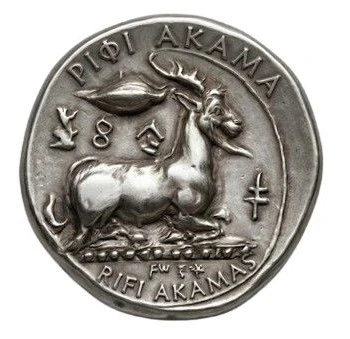
Οι βασιλείς Ευέλθων και Ευαγόρας Α΄ χρησιμοποίησαν εικόνες κριού και αίγας στη βασιλική νομισματοκοπία, μετατρέποντας την ποιότητα των κοπαδιών σε δημόσιο σύμβολο νησιωτικής εξουσίας.
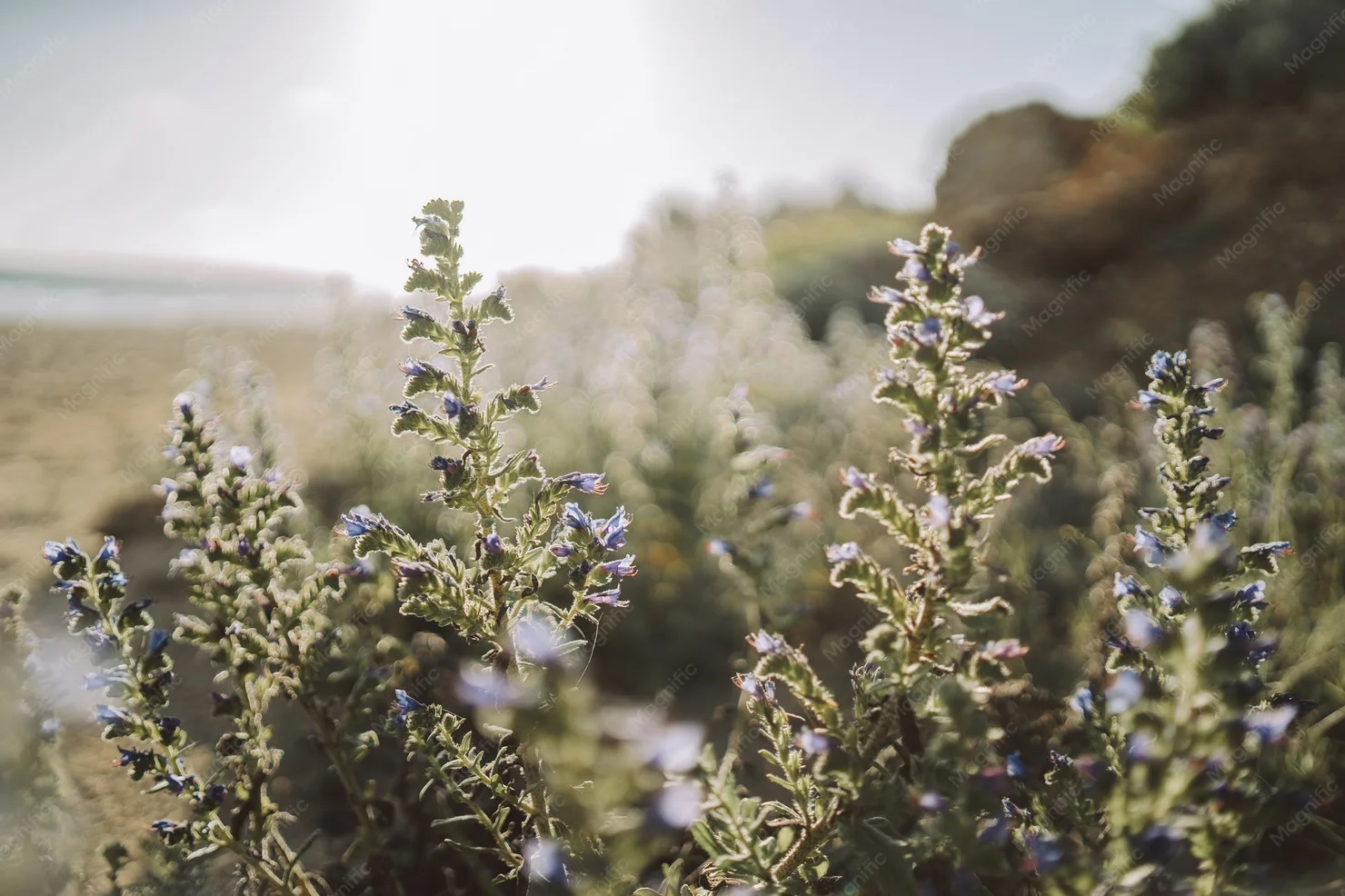
Πλίνιος ο Πρεσβύτερος
Οι αρχαίοι συγγραφείς συνέδεαν τις νησιωτικές αγέλες με αλμυρές βοσκές, παράκτια φυτά και γεύση που διαμορφώνεται από τον τόπο και όχι από το σιτηρέσιο.
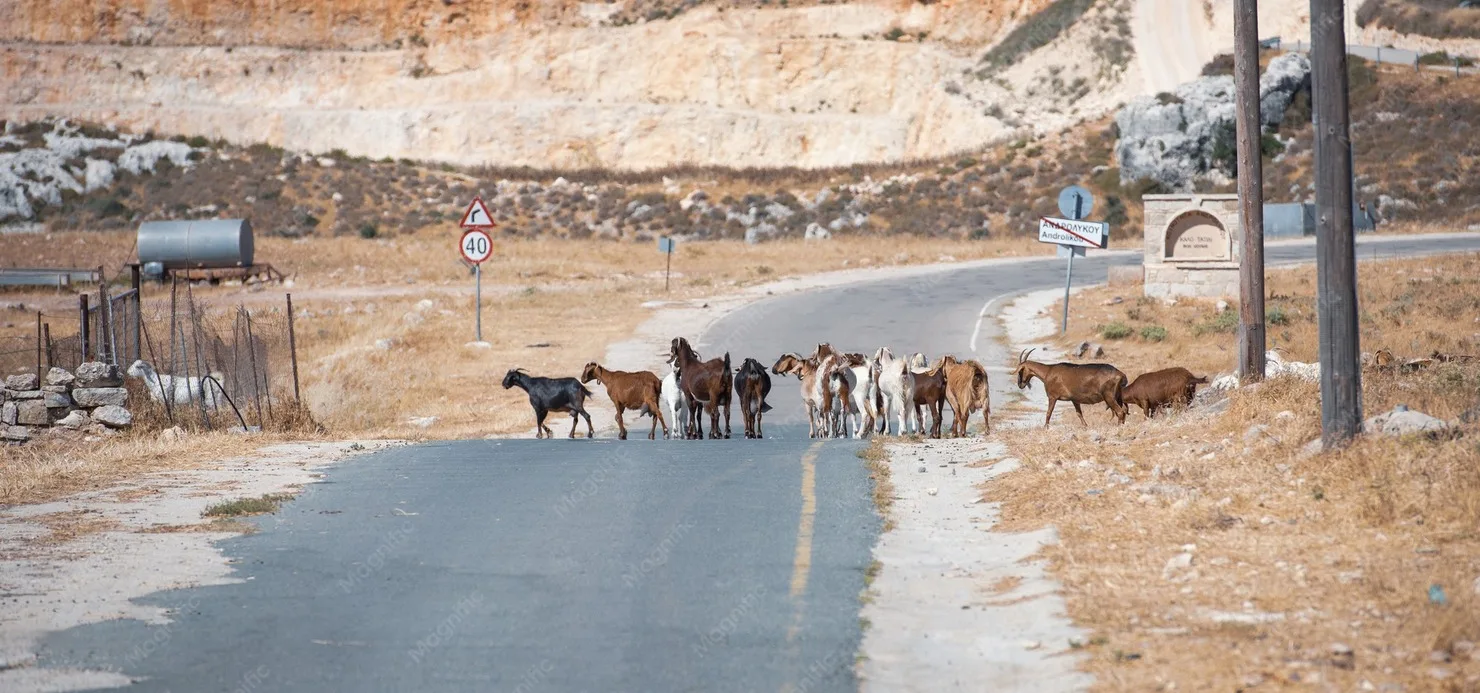
Γαληνός της Περγάμου
Το κρέας και το γάλα αίγας της Κύπρου επαινούνταν για τις ιαματικές τους ιδιότητες και συνδέονταν με ρητινώδη γηγενή φυτά όπως ο σχίνος και η τριμιθιά.
Imperial Control and Farmer's Law
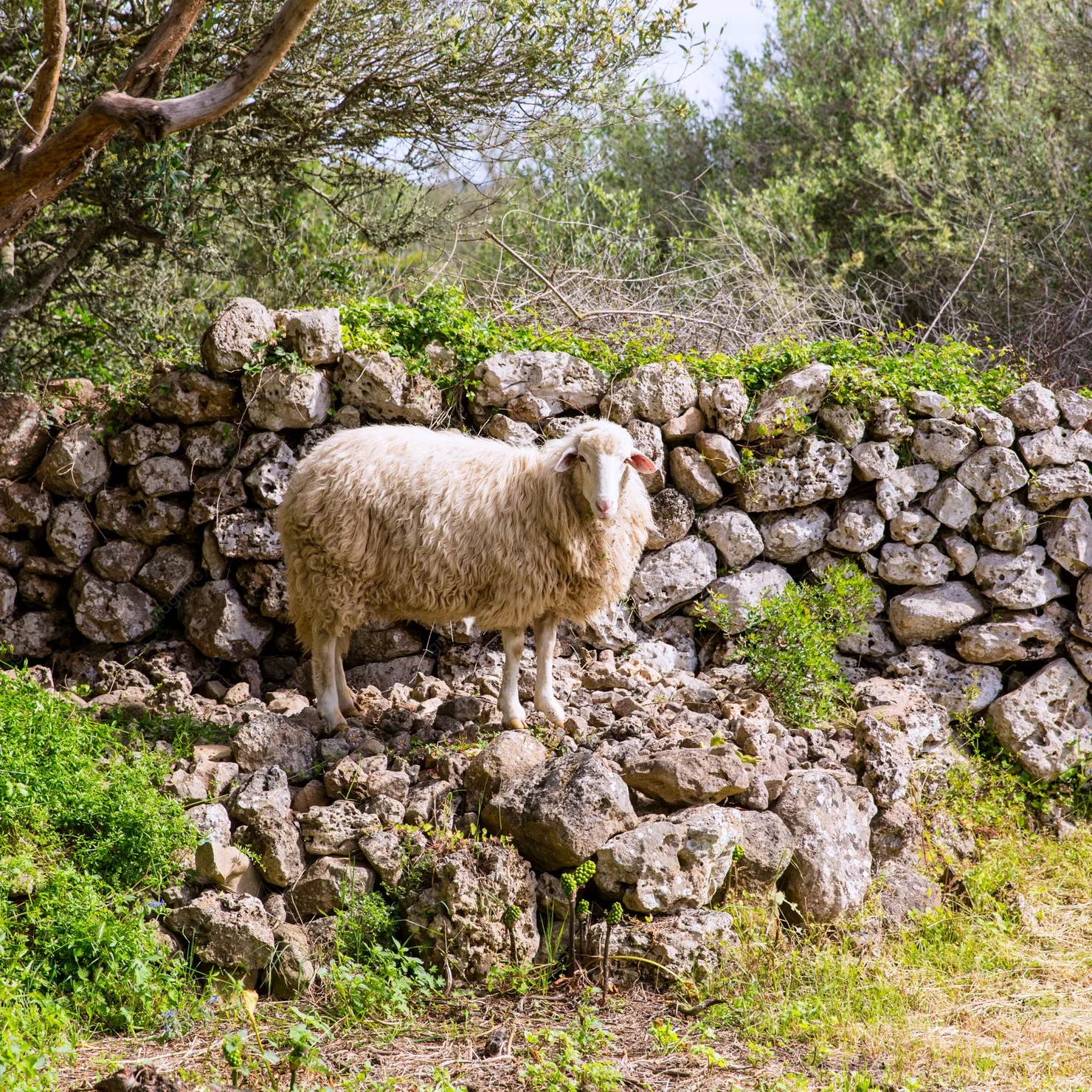
Η βυζαντινή νομική σκέψη αντιμετώπιζε τις αγέλες, τα δικαιώματα βόσκησης και την αγροτική παραγωγή ως προστατευμένους πόρους μέσα σε ένα διαχειριζόμενο αυτοκρατορικό τοπίο.
Ριχάρδος ο Λεοντόκαρδος
Η Κύπρος έγινε τόπος εφοδιασμού και αφθονίας κατά την Τρίτη Σταυροφορία, με τα ζώα στο κέντρο της εξουσίας, της σύγκρουσης και της συμποσιακής κουλτούρας.
Αλεξάντερ Ντράμοντ
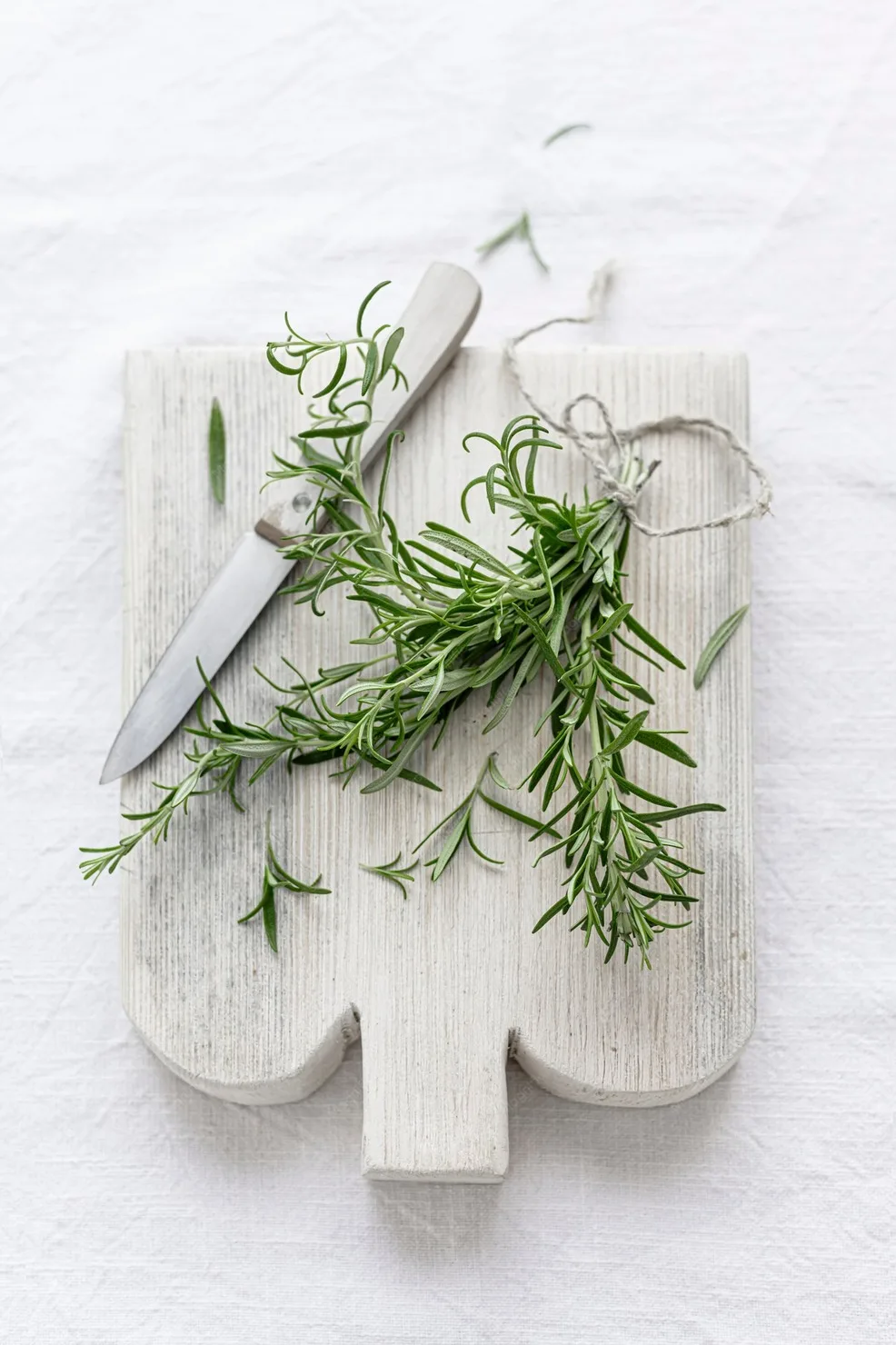
Το κυπριακό αρνίσιο κρέας επαινέθηκε ως ιδιαίτερα νόστιμο, με την αρωματική υπογραφή των ορεινών βοτάνων και της μεσογειακής βοσκής.
Ψηφιακή Γενεαλογία και SEUROP
Κάθε κοπή AKAMAS τεκμηριώνεται μέσα από έγκριση ζώου, παρόχους ευζωίας, ανεξάρτητη επιθεώρηση, ταξινόμηση SEUROP και σύγχρονη πύλη ιχνηλασιμότητας.
Παγκόσμια επαλήθευση της ποιότητας του brand
Πλίνιος ο Πρεσβύτερος: Ο Φυσικός Ιστορικός
Στη Φυσική Ιστορία, ο Πλίνιος σημείωσε τον ιδιαίτερο χαρακτήρα των νησιωτικών αγελών. Παρατήρησε ότι οι αλμυρές βοσκές δημιουργούσαν ανώτερη κτηνοτροφία, περιζήτητη στη Ρωμαϊκή Αυτοκρατορία, ενισχύοντας την κληρονομιά γεωγραφικής αριστείας του AKAMAS.
Γαληνός της Περγάμου: Η Επιλογή του Ιατρού
The famous Roman physician Galen praised the goat meat and milk of Cyprus for its medicinal properties. He noted that because the goats grazed on resinous plants like Σχίνος and Τρέμιθος, their meat was "cleaner" and "easier for the body to process," making Ρίφι Ακάμας a choice for health as much as for taste.
Ριχάρδος ο Λεοντόκαρδος (1191 μ.Χ.)
While Richard is famous for his silver chains, his chroniclers, who were often his personal clerics and soldiers, wrote extensively about the island as a "land of plenty" that was essential for feeding the Third Crusade.
Contemporary chroniclers like Ambroise and Richard de Templo noted that King Richard's conquest was fueled by the need for supplies. The Emperor of Cyprus, Isaac Komnenos, had been hording the island's livestock, the very sheep and goats Richard needed to sustain his army during the siege of Acre.
At the royal wedding of Richard and Berengaria, the chroniclers described the island as a "paradise of animals." One quote from the Itinerarium Peregrinorum describes the soldiers' joy: "The army rejoiced in the abundance of the land; there was no lack of flesh of sheep and goats to satisfy every man."
Byzantine Imperial Control and The Farmer's Law
Under the Byzantine Farmer's Law (Nomos Georgikos), the herds of Cyprus were protected as imperial assets. Imperial decrees mandated that livestock from the Akamas and Paphos regions be managed with strict oversight, ensuring that the "King's Meat" was never compromised by inferior breeding or poor husbandry.
During the reign of Isaac Komnenos, the Akamas peninsula served as a vital reserve. Imperial officers, known as epoptes, were tasked with auditing the health of sheep and goats to ensure the palace in Nicosia and the garrisons in Paphos received only the highest-tier meat.
"The mutton of Cyprus is the most delicious in the Levant... fed upon the aromatic herbs of the hills, it possesses a flavor unknown in Europe." - Αλεξάντερ Ντράμοντ.