

From gods and kings to the verified AKAMAS standard.
The AKAMAS timeline follows Cyprus from early managed herds through royal coinage, ancient medicine, Byzantine law, Crusader supply routes, and today's digital pedigree.
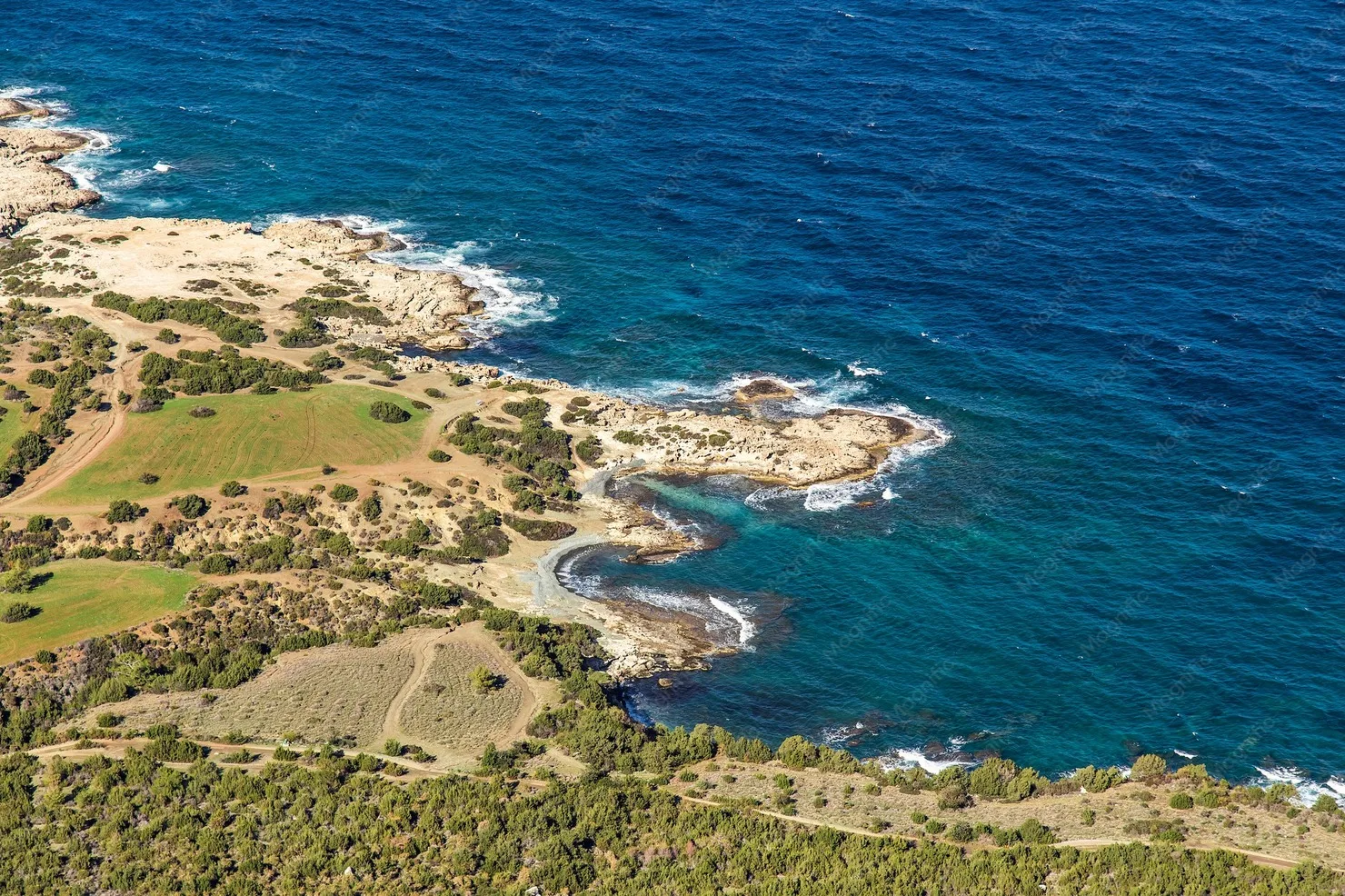
10,000 years of pastoral proof
The Neolithic Foundation
Cyprus holds some of the world's oldest evidence of managed sheep and goat cycles at Shillourokambos, grounding AKAMAS in an unusually deep pastoral lineage.
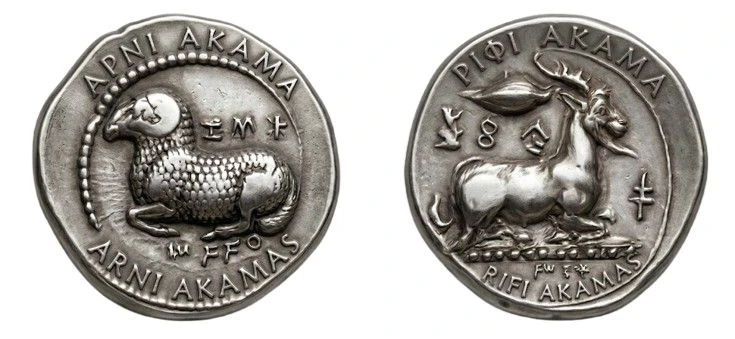
The Coinage of Kings
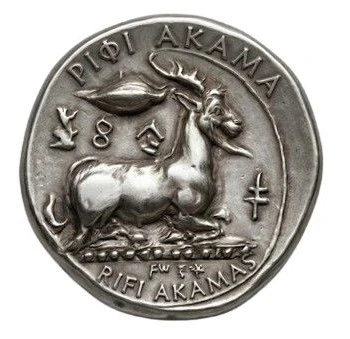
Kings Evelthon and Evagoras I used ram and goat imagery on royal coinage, turning herd quality into a public symbol of island authority.

Pliny the Elder
Ancient writers connected island-raised herds with salt-sprayed pastures, coastal plants, and a flavour shaped by place rather than grain.
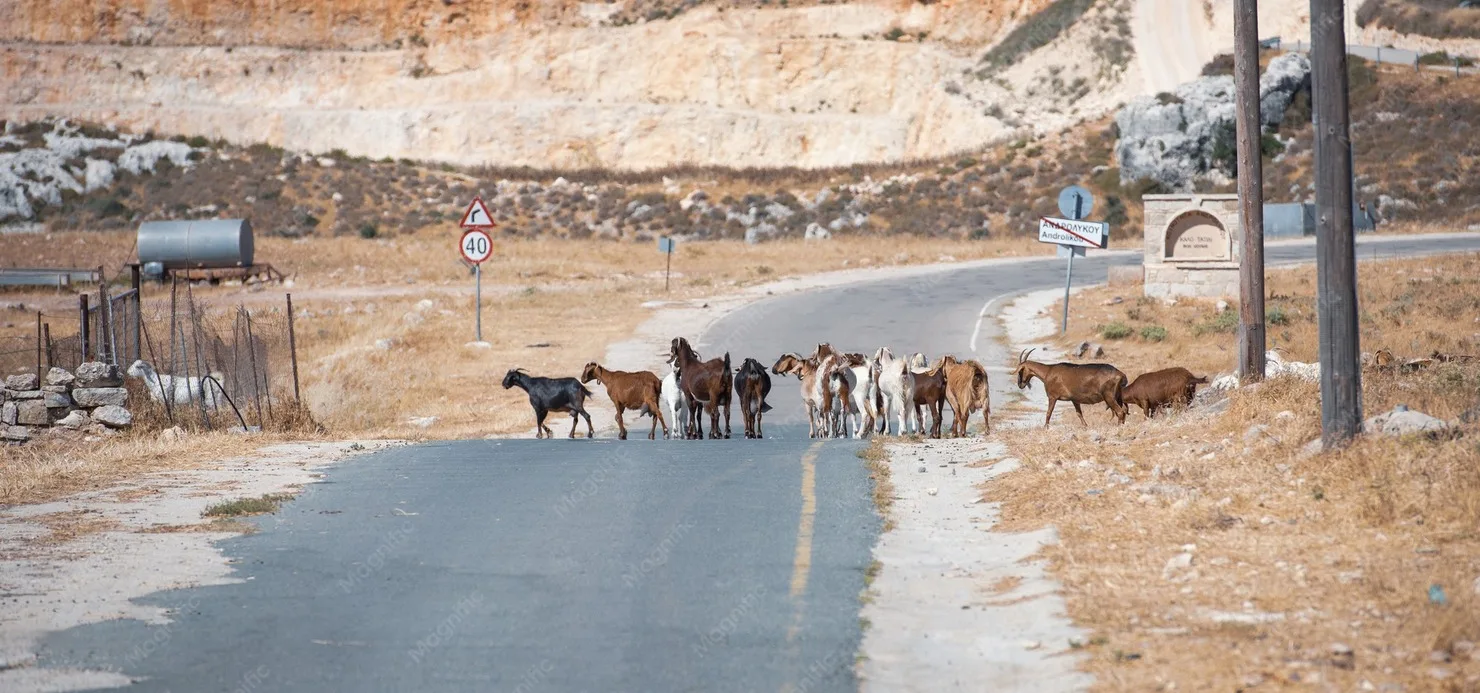
Galen of Pergamon
Goat meat and milk of Cyprus were praised for medicinal qualities and linked to resinous native plants such as Schinos and Trimithia.
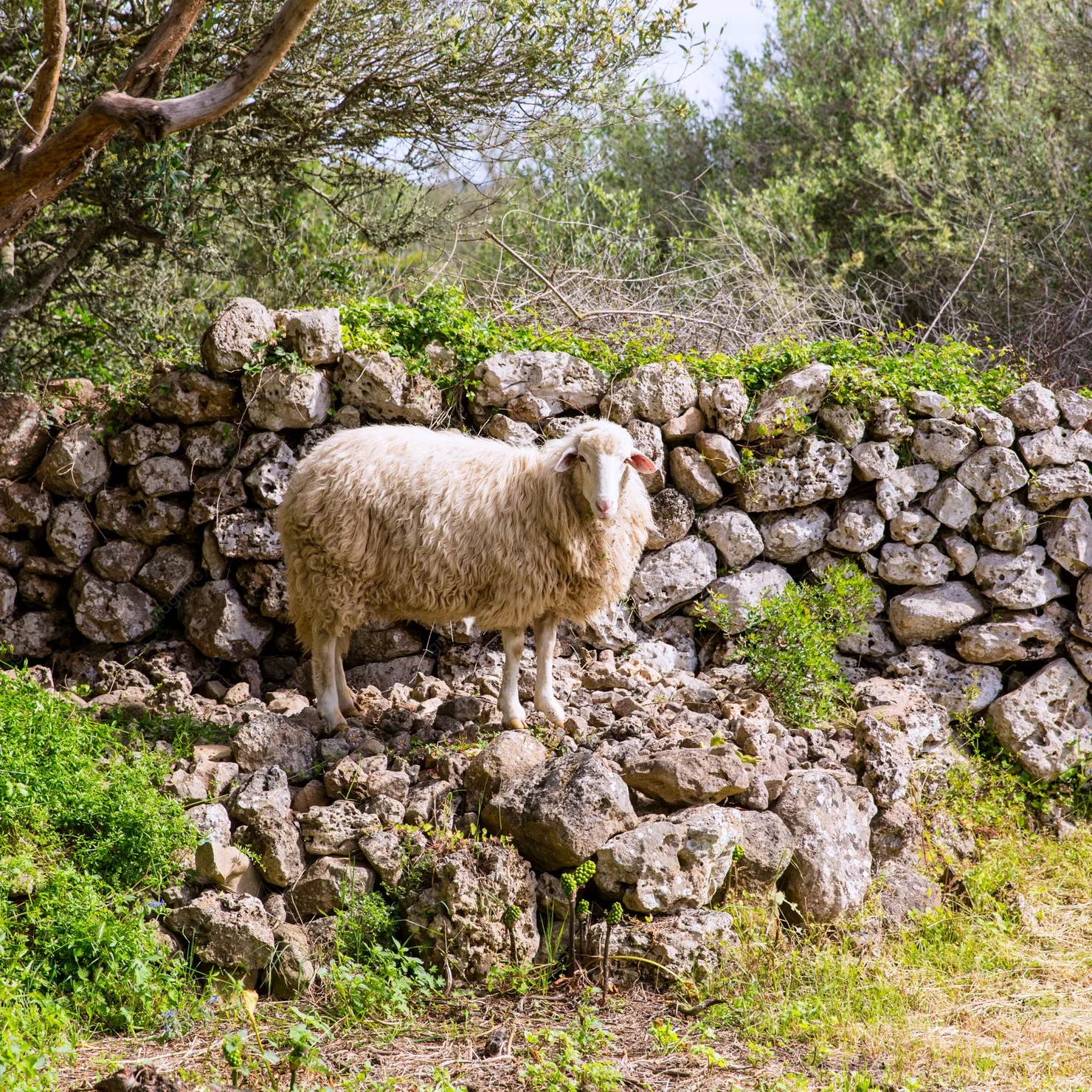
Imperial Control and Farmer's Law
The Byzantine legal imagination treated herds, grazing rights, and rural production as protected assets within a managed imperial landscape.
Richard the Lionheart
Cyprus became a land of supply and abundance during the Third Crusade, with livestock central to power, conflict, and banquet culture.
Alexander Drummond
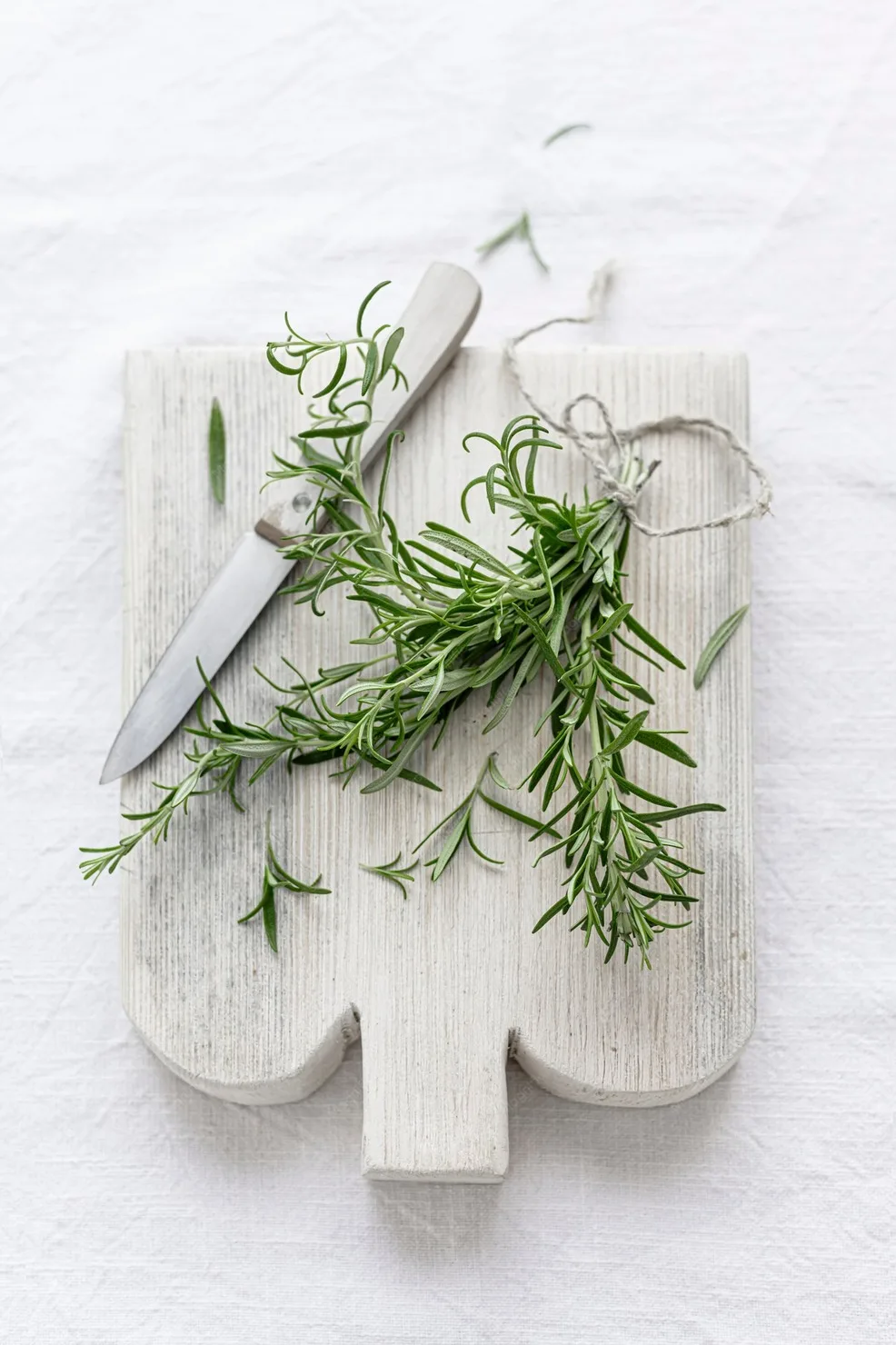
Cyprus mutton was praised as especially delicious, carrying the aromatic signature of hill herbs and Mediterranean pasture.
Digital Pedigree and SEUROP
Each AKAMAS cut is framed through animal approval, welfare providers, independent inspection, SEUROP grading, and a modern traceability portal.
Global verification of the brand's quality
Pliny the Elder: The Natural Historian
In his Natural History, Pliny noted the unique character of island-raised herds. He observed that the salt-sprayed pastures created a superior livestock that was sought after across the Roman Empire, reinforcing the AKAMAS heritage of geographic excellence.
Galen of Pergamon: The Physician's Choice
The famous Roman physician Galen praised the goat meat and milk of Cyprus for its medicinal properties. He noted that because the goats grazed on resinous plants like Lentisk and Terebinth, their meat was "cleaner" and "easier for the body to process," making Rifin Akamas a choice for health as much as for taste.
Richard the Lionheart (1191 AD)
While Richard is famous for his silver chains, his chroniclers, who were often his personal clerics and soldiers, wrote extensively about the island as a "land of plenty" that was essential for feeding the Third Crusade.
Contemporary chroniclers like Ambroise and Richard de Templo noted that King Richard's conquest was fueled by the need for supplies. The Emperor of Cyprus, Isaac Komnenos, had been hording the island's livestock, the very sheep and goats Richard needed to sustain his army during the siege of Acre.
At the royal wedding of Richard and Berengaria, the chroniclers described the island as a "paradise of animals." One quote from the Itinerarium Peregrinorum describes the soldiers' joy: "The army rejoiced in the abundance of the land; there was no lack of flesh of sheep and goats to satisfy every man."
Byzantine Imperial Control and The Farmer's Law
Under the Byzantine Farmer's Law (Nomos Georgikos), the herds of Cyprus were protected as imperial assets. Imperial decrees mandated that livestock from the Akamas and Paphos regions be managed with strict oversight, ensuring that the "King's Meat" was never compromised by inferior breeding or poor husbandry.
During the reign of Isaac Komnenos, the Akamas peninsula served as a vital reserve. Imperial officers, known as epoptes, were tasked with auditing the health of sheep and goats to ensure the palace in Nicosia and the garrisons in Paphos received only the highest-tier meat.
"The mutton of Cyprus is the most delicious in the Levant... fed upon the aromatic herbs of the hills, it possesses a flavor unknown in Europe." - Alexander Drummond.